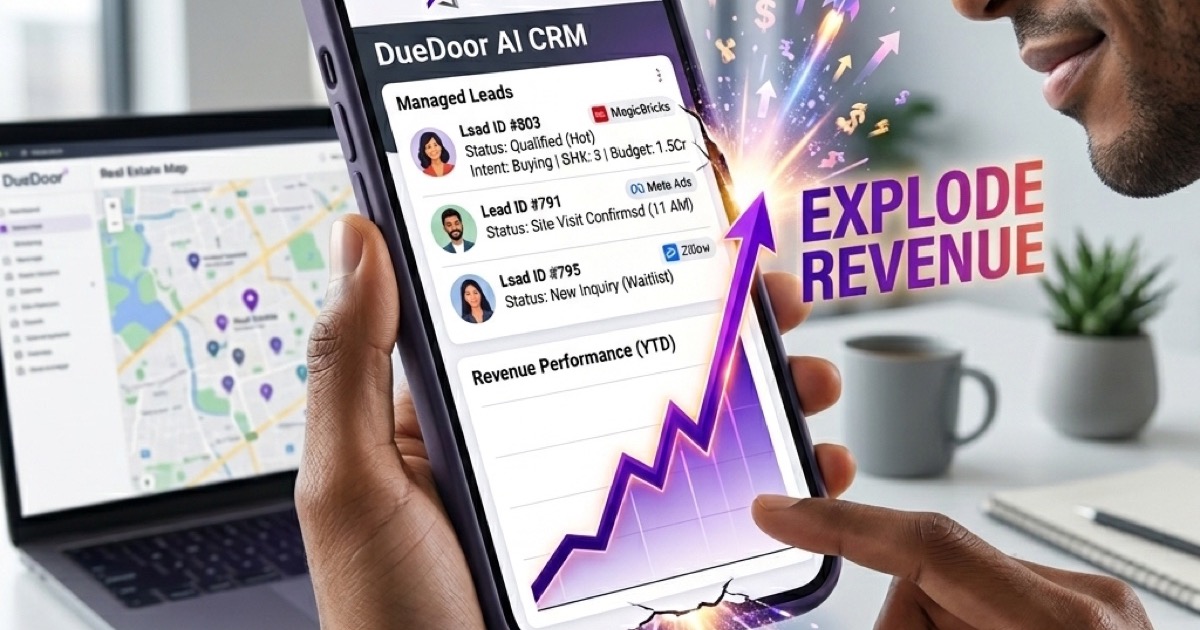
The best lead generation strategies for startups combine inbound content marketing, LinkedIn outreach, and WhatsApp follow-up automation to build a consistent pipeline without a large sales team. Focusing on one or two high-ROI channels first, then layering AI automation, delivers the fastest traction.
For a startup, every week without a steady flow of qualified leads is a week the runway shrinks. Unlike established businesses with brand recognition and referral networks built over years, a startup must manufacture its own growth engine from scratch, often with a lean team and limited budget. The founders who crack this early build durable companies; those who skip it spend months chasing inconsistent revenue.
The encouraging news is that lead generation for startups has never been more accessible. Modern channels like LinkedIn, WhatsApp Business, and AI-powered CRM tools let a two-person team compete with a 20-person sales floor. This guide walks through a proven, stage-by-stage approach to filling your pipeline in 2026, drawing on what actually works for Indian and global B2B startups today.
Why Lead Generation Is the Lifeblood of a Startup
Revenue solves almost every early-stage problem: hiring, product development, runway, and investor confidence. But revenue starts with leads. A startup that waits for word-of-mouth to scale is betting on luck. A startup with a repeatable lead generation system is building a machine.
The key insight is that lead generation is not a one-time campaign. It is an ongoing, iterative process where you test channels, double down on what converts, and automate the repetitive steps. Founders who treat it this way grow 3x faster than those who run occasional ad bursts and hope for the best. The goal is a predictable monthly intake of qualified prospects who match your ideal customer profile.
Step 1: Define Your Ideal Customer Profile
Before you touch any channel, spend two hours building a crisp Ideal Customer Profile (ICP). An ICP is not a vague persona. It is a specific description of the company or individual most likely to buy from you, get value quickly, and refer others.
ICP components for B2B startups
- Industry and sub-sector: e.g., SaaS companies with 10-50 employees in fintech
- Geography: Tier-1 Indian cities, or specific export markets
- Decision maker title: Founder, VP Sales, Head of Marketing
- Pain trigger: The event that makes them ready to buy (hiring a sales team, missing a revenue target)
- Deal size range: Important for prioritising outreach effort
Learning how to identify high-value leads early saves enormous time. Not every interested prospect deserves equal attention. Score leads by ICP fit and buying signals before you invest hours in follow-up.
Step 2: Build an Inbound Engine with Content and SEO
Paid ads are expensive and stop working the moment you stop paying. Content and SEO compound over time. A well-ranked blog post or landing page keeps generating leads for years at near-zero marginal cost.
For a startup, the practical approach is to pick 10-15 high-intent keywords your buyers search when they have the problem you solve. Write genuinely helpful, specific content for each one. Do not try to rank for vanity terms with millions of searches. Instead, target "best CRM for [your niche]" or "how to automate [specific workflow]" style queries where purchase intent is high and competition is lower.
Pair content with a clear lead capture mechanism on every page: a free audit offer, a calculator, a short guide download. Capture name, phone, and email. Route those leads directly into your CRM so no prospect falls through the gap between marketing and sales.
Step 3: Run Systematic LinkedIn Outbound
LinkedIn remains the highest-ROI outbound channel for B2B startups, particularly in India where the platform is growing rapidly among decision-makers in SaaS, manufacturing, real estate, and professional services. The key word is systematic. Random connection requests with generic copy produce noise. A structured cadence produces meetings.
A repeatable LinkedIn outbound cadence
- Day 0: Send a personalised connection request with a one-line hook referencing something specific (their recent post, company milestone, or shared context)
- Day 3 after acceptance: Send a short, value-first opener. No pitch. Share a stat, a relevant insight, or a question.
- Day 7: Follow up with a specific offer: a free audit, a 15-minute call, a relevant resource.
- Day 14: Final soft touch before archiving the thread.
Limit outreach to 15-20 new prospects per day per account to stay within LinkedIn's safety thresholds. Use tools that respect these limits and log every touch in your CRM. Startups using DueDoor's LinkedIn outreach automation report a 40-60% reduction in time spent on manual follow-up while keeping the personalisation that gets replies.
Step 4: Convert Prospects on WhatsApp
India's business communication runs on WhatsApp. A prospect who would ignore three emails will often respond to a well-timed WhatsApp message within minutes. For startups selling to Indian SMBs, building a WhatsApp-first follow-up strategy is not optional - it is the fastest path to a booked meeting.
The rules for WhatsApp outreach are strict and worth respecting. Use the official WhatsApp Business API (not unofficial bots), send only to contacts who have expressed interest or opted in, and keep messages genuinely useful rather than spammy. A concise message with a specific value proposition and a single CTA converts far better than a wall of text.
For a deeper look at building this channel, the guide on effective WhatsApp marketing for lead generation covers template structure, opt-in mechanics, and drip sequences that keep prospects warm. Once a lead enters your WhatsApp funnel, you can also use structured WhatsApp follow-up sequences to automate nurture without losing the conversational feel.
Comparing Lead Generation Channels for Startups
No two startups have identical budgets or audiences. The table below gives a practical comparison of the most common channels so you can prioritise intelligently.
| Channel | Setup Cost | Time to First Lead | Scalability | Best For |
|---|---|---|---|---|
| LinkedIn Outbound | Low | 1-2 weeks | Medium | B2B SaaS, consulting, enterprise sales |
| SEO / Content | Low-Medium | 3-6 months | High | Long-term pipeline, product-led growth |
| WhatsApp Business | Low | Days | High | Indian SMBs, high-frequency follow-up |
| Google Ads | Medium-High | Immediate | High (budget-dependent) | High-intent buyers, product demos |
| Referral Programs | Very Low | Unpredictable | Medium | Early traction, community-driven products |
| Cold Email | Low | 1-3 weeks | Medium | Founder-led sales, international markets |
Most successful startups run two or three of these channels simultaneously, with LinkedIn and WhatsApp forming the outbound backbone and SEO building the inbound flywheel in the background. For a curated list of platforms that support this mix, see this overview of the best lead generation tools for Indian businesses.
Step 5: Qualify Fast and Move to Close
Generating leads is only half the battle. A startup with 200 unqualified leads in its CRM is not ahead of one with 40 tightly qualified prospects ready to buy. The qualification step is where startups most often waste time.
"Speed to lead is everything in early-stage sales. The startup that responds within five minutes of a prospect showing interest is 21 times more likely to qualify that lead than one that responds an hour later." - Research from the Harvard Business Review, cited widely in B2B sales literature
Use a simple BANT or MEDDIC filter on every new lead: Budget confirmed, Authority to decide, Need identified, Timeline established. If a prospect fails two or more of these, move them to a long-term nurture sequence and focus your energy on prospects who pass. The detailed guide on how to convert leads into customers covers the qualification-to-close journey with scripts and follow-up frameworks that work in the Indian market.
Set up pipeline stages in your CRM that mirror your actual sales process: New Lead, Contacted, Demo Booked, Proposal Sent, Negotiation, Closed. Every lead should move through these stages with a dated touchpoint log. This gives you visibility into where deals stall and lets you intervene before they go cold.
Step 6: Automate the Pipeline with AI Tools
The era of a founder manually managing 300 LinkedIn threads and sending individual follow-up WhatsApp messages is over. AI-powered growth CRM platforms now handle the repetitive, time-consuming parts of lead generation so your team can focus on conversations that require human judgment.
Here is what a modern AI-assisted lead generation stack looks like for a startup:
- Automated lead discovery: AI agents scan LinkedIn, company databases, and intent signals to surface prospects matching your ICP daily
- Personalised outreach at scale: AI drafts first-touch messages using prospect context (role, company news, shared connections) and sends them within safe daily limits
- WhatsApp drip sequences: Automated follow-up over 7-14 days with smart pauses when a prospect replies, so conversations feel natural
- Lead scoring: Automatic scoring based on engagement signals (opens, clicks, replies, demo bookings) so your sales team always works the hottest leads first
- Pipeline reporting: Real-time dashboards showing conversion rates at each stage so you can spot bottlenecks and fix them fast
DueDoor brings all of these capabilities into a single Growth CRM built specifically for Indian startups and SMBs. The platform combines LinkedIn outreach automation, WhatsApp Business API integration, AI calling, and a visual sales pipeline in one dashboard. Startups using DueDoor report cutting their manual prospecting time by more than half while increasing the number of qualified demos booked per week. Pricing starts at a fraction of what enterprise tools charge, making it accessible from day one of your sales motion.
For context on how DueDoor compares to other options in the market, the detailed CRM comparison for Indian businesses breaks down features, pricing, and the scenarios where each platform wins.
The best lead generation strategies for startups are not about doing everything. They are about picking the right two or three channels, executing them with discipline, qualifying rigorously, and automating the repetitive steps as early as possible. A focused, automated pipeline beats a scattered, manual one every time.
Ready to build your startup's growth engine? Try DueDoor free and launch your first automated lead generation campaign in under 30 minutes. No large sales team required.
Frequently Asked Questions
What is the fastest lead generation strategy for a new startup?
LinkedIn outbound combined with WhatsApp follow-up delivers the fastest results for most B2B startups because both channels have high response rates and low setup costs. Start with a tightly defined ICP, send 15-20 personalised connection requests per day, and follow up accepted connections within 72 hours using a value-first message.
How much should a startup budget for lead generation?
Early-stage startups can generate solid pipeline with a budget of Rs 15,000 to Rs 40,000 per month by focusing on LinkedIn outbound, WhatsApp Business API, and one content channel. Paid ads can be layered in once you have validated messaging and a converting landing page, typically from Series A onwards or when you have a proven cost per acquisition.
Is cold email still effective for startup lead generation in 2026?
Cold email works best for international outbound where WhatsApp penetration is lower. In India, WhatsApp has largely replaced cold email for SMB outreach because open rates are dramatically higher. For SaaS startups targeting enterprise or international buyers, a sequenced cold email campaign with personalised first lines and a clear value proposition still converts at 2-5% reply rates.
How do I qualify leads quickly without a large sales team?
Use an automated lead scoring system in your CRM that assigns points for key actions: opening an email, visiting your pricing page, replying to a WhatsApp message, or booking a demo. Prospects above a set score threshold get immediate attention from the founder or sales hire. Everyone else goes into a nurture sequence until they become more engaged.
When should a startup invest in a CRM for lead generation?
From the very first lead. Even a two-person startup loses deals when follow-ups are tracked in spreadsheets or chat messages. A CRM gives you visibility, accountability, and the automation hooks needed to scale. Modern platforms like DueDoor are priced for startups and take under an hour to set up with your first pipeline and outreach sequence running the same day.
Every lead gets an instant, qualified reply — even at 3 AM
DueDoor's AI reads the inbound WhatsApp, understands pricing/demo/support intent, replies with the right answer, and books the meeting — all in under 4 seconds. No human lifts a finger until the call itself.
- AI understands Hindi, Tamil, Telugu, Marathi, English
- Qualifies budget, team size, timeline automatically
- Books into your actual Google/Outlook calendar
- Escalates to a human only when the AI isn't 95%+ sure
WhatsApp AI
Auto-reply, drip sequences, AI qualification — 24/7.
Leads & Pipeline
Smart lead scoring with auto-routing to your team.
Email Marketing
Personalized AI emails that actually get opened.
Meta Ads AI
One-click campaigns optimized by AI daily.
SEO Engine
Content + ranking on autopilot. Like this page.
LinkedIn (PhewDo)
Outreach + replies handled end-to-end.
References & further reading
- Lead generation — Wikipedia
- HubSpot Marketing Blog
- Marketing — Wikipedia
- Digital marketing — Wikipedia
- Sales — Wikipedia